How Many Years to Keep Personal Tax Records (And What to Toss)
That shoebox stuffed with receipts from 2017? You’re not alone. Most Canadians either hoard everything or toss documents way too soon. Both mistakes can cost you during a CRA audit.
This guide breaks down exactly what to keep, what to shred, and for how long.
What we’ll cover:
- CRA’s official record retention rules
- Which documents to keep vs. toss
- Special cases (self-employment, property, investments)
- Smart storage and organization tips
NRK Accounting helps Toronto and North York residents stay CRA-compliant year-round. If tax paperwork overwhelms you, book a free consultation to get organized.
CRA’s Official Record Retention Rules
The Canada Revenue Agency doesn’t mess around with documentation. The CRA may ask you to provide supporting documents later to support your claim, and may also ask for documents other than official receipts, such as cancelled cheques or bank statements, as proof of any deduction or credit that you claimed.
So how long do you actually need to hold onto everything?
The Six-Year Rule
Here’s the baseline: Keep your records for six years from the end of the last tax year they relate to, unless you have permission from the CRA to destroy them earlier.
Let’s break that down with a quick example.
| Tax Year | Filing Deadline | Safe to Destroy After |
| 2023 | April 30, 2024 | December 31, 2029 |
| 2024 | April 30, 2025 | December 31, 2030 |
| 2025 | April 30, 2026 | December 31, 2031 |
The six-year clock starts ticking at the end of the tax year, not when you file. This trips people up constantly.
When the Six-Year Rule Gets Extended
Not everything fits neatly into that timeline. There are exceptions you need to know:
- Late filers: If you filed your return late one year, that six-year period starts from the day you filed, not the tax year. So if you filed your 2021 return in 2023, don’t shred anything until 2029.
- Capital property: Documents related to property purchases, investments, and major assets should be kept for as long as you own the asset, plus six years after selling it. This includes your home, rental properties, stocks, and business equipment.
- Disputes and appeals: If the CRA audits your tax filings, you must keep all related documents until the audit is fully completed, even if it takes longer than six years.
- Estate administration: Managing someone else’s estate? Don’t destroy anything until you get a clearance certificate from the CRA.
What Counts as a “Record”?
Keep your supporting documents for six years, even when you file your return electronically or when the return, form, or schedule you are completing says that you do not have to attach your supporting documents to the paper version.
This includes:
- T4s, T5s, and other income slips
- Receipts for deductions (medical, childcare, charitable donations)
- RRSP contribution receipts
- Rental income and expense records
- A copy of your return and any related notices of assessment or reassessment
Many experts recommend keeping actual returns indefinitely, even though the CRA only requires six years. They can come in handy for future applications like mortgages, student loans, and even immigration, or if the CRA questions something from years ago.
Can You Destroy Records Early?
Yes, but you need permission. If you want to dispose of your books and records before the six-year period, you must obtain written permission from the CRA by filling out and submitting Form T137, Request for Destruction of Records, or applying in writing to your tax services office.
Destroying records without permission? That opens the door to penalties, denied deductions, and a whole lot of headaches you don’t want.
Feeling overwhelmed by record-keeping requirements? NRK Accounting helps Toronto and North York residents stay organized and CRA-compliant. Our team can review your documents, flag what to keep, and ensure you’re always audit-ready.
Which Documents to Keep vs. Toss
Not every scrap of paper deserves a spot in your filing cabinet. Here’s the breakdown.
Keep for 6 years:
- T4s, T5s, and all income slips
- RRSP contribution receipts
- Charitable donation receipts
- Medical expense receipts
- Childcare expense receipts
- Notices of Assessment
Keep indefinitely:
- Property purchase documents (home, investments, land)
- Renovation receipts that increase property value
- Stock purchase confirmations
- Tax returns (optional but highly recommended)
Safe to shred after 6 years:
- Paid utility bills (unless claimed as deductions)
- Bank statements with no tax relevance
- Outdated insurance documents
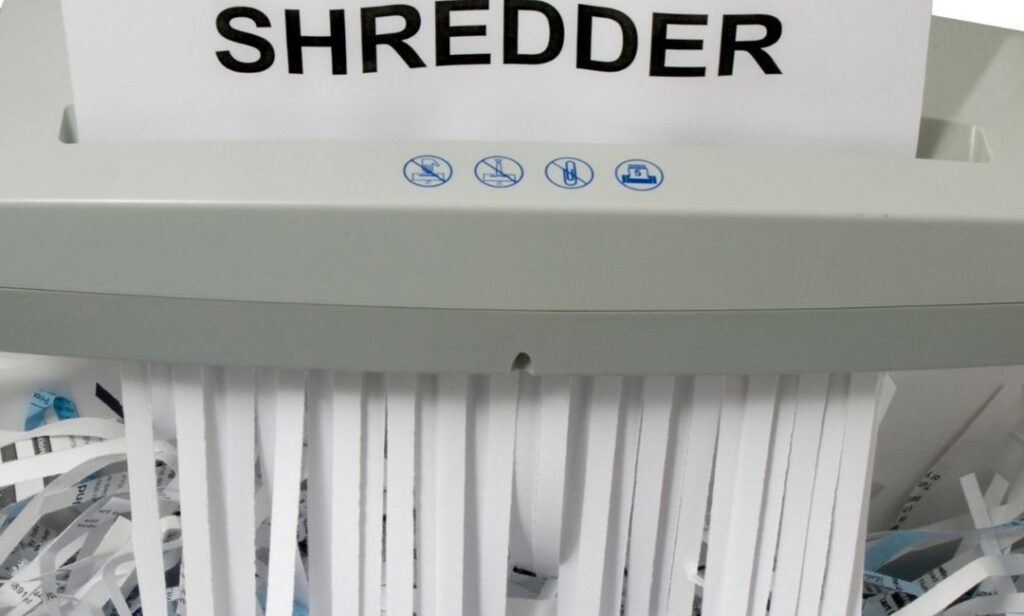
Your records contain a lot of personal data that identity thieves would love to get their hands on, such as your SIN and employment information. To properly dispose of paper tax records, shredding is probably your best bet.
Don’t just toss old tax documents in the recycling bin. Shred them or use a secure destruction service.
Special Cases: Self-Employment, Property & Investments
The standard six-year rule works for most people. But if you fall into one of these categories, the rules shift.
Self-Employed and Freelancers
Your income records must include the date, amount, and source of the income. Record the income whether you received cash, property, or services. Support all income entries with original documents.
You’ll also need:
- Invoices and contracts
- Home office expense receipts
- Vehicle mileage logs
- Equipment purchase records
Property Owners
Keep a record of the properties you bought and sold. This record should show who sold you the property, the cost, and the date you bought it.
Renovation receipts matter here. They increase your adjusted cost base and reduce capital gains tax when you sell. Lose those receipts, and you could pay thousands more than necessary.
Investors
Stock purchase confirmations, dividend statements, and disposition records should be kept until six years after you sell the asset. The clock doesn’t start until the investment is gone.
Smart Storage and Organization Tips
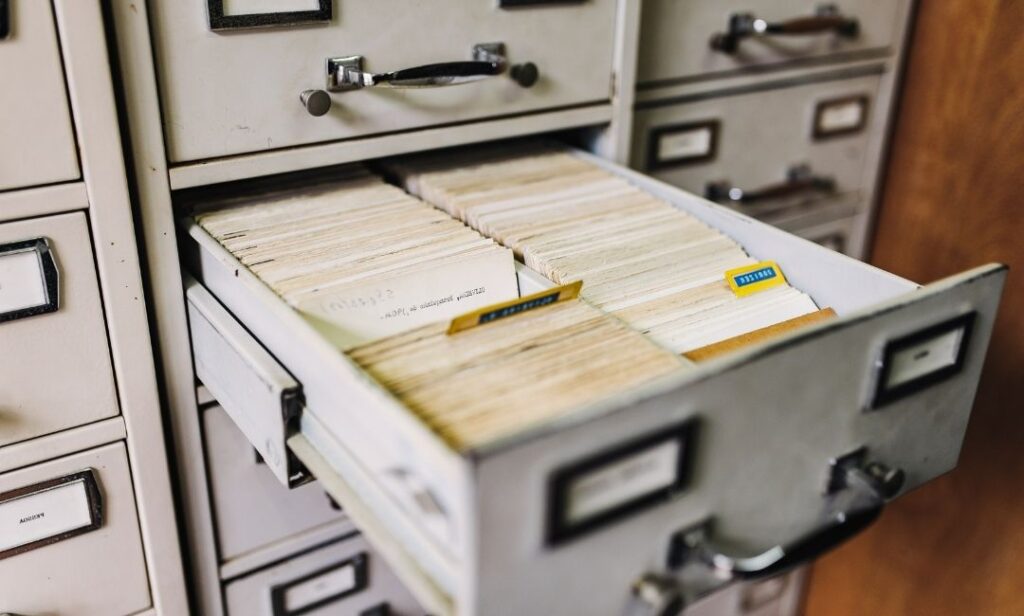
Staying organized saves time, money, and stress. You can use electronic imaging software to keep images of paper records. The CRA accepts digital copies as long as they’re accurate, accessible, and securely backed up.
Go Digital (the Right Way)
- Scan receipts immediately after transactions
- Use clear file names like “2024_Medical_Receipts.pdf”
- Keep backup copies at another location within Canada
- Store files in encrypted cloud services or external drives
Organize by Year and Category
Create folders for each tax year. Inside, separate documents by type: income, deductions, investments, and property. This structure makes retrieval painless during audits.
Set Annual Cleanup Reminders
Every January, review what’s past the six-year mark. Shred what’s no longer needed. This prevents clutter from spiraling out of control.
Overwhelmed by paperwork? NRK Accounting offers bookkeeping services that keep your records organized, digital, and CRA-ready. Our Toronto and North York team handles the filing, so you don’t have to.
Stay CRA-Ready With NRK Accounting
Tax record retention doesn’t have to be complicated. Keep what matters, shred what doesn’t, and stay organized year-round. A little effort now saves major headaches during audits or when life throws curveballs like property sales or CRA reviews.
Key takeaways:
- Keep most tax records for six years from the end of the tax year
- Property, investment, and capital asset records require longer retention
- Late filers must count six years from the filing date, not the tax year
- Digital storage is CRA-approved when done correctly
- Always shred sensitive documents instead of tossing them
NRK Accounting helps Toronto and North York residents stay organized and audit-ready without the stress. From personal tax filing to bookkeeping and CRA support, our team ensures your records are accurate, complete, and compliant. Book a free consultation and let us handle the paperwork.